Forget the Polls. Go to the Coffee Shop. That's Where Erdoğan's Real Approval Rating Lives.
Let me tell you about a conversation that didn't make it into any Reuters dispatch or State Department cable.
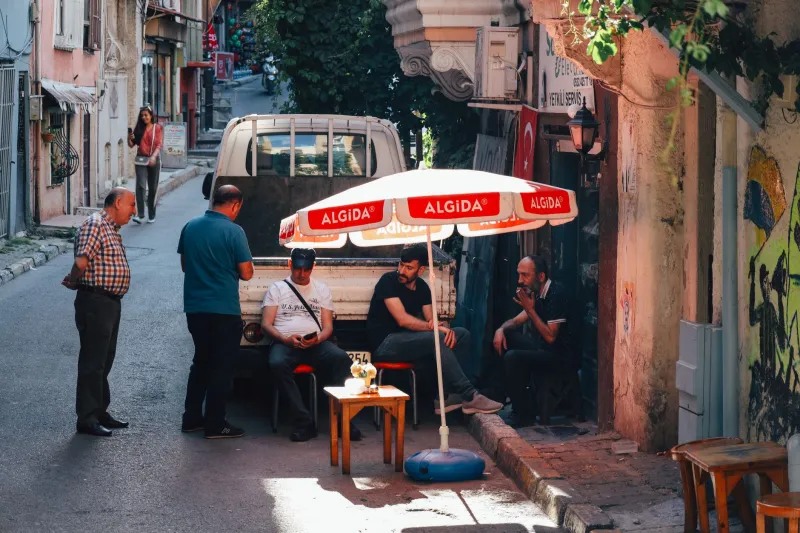
It happened in a kahvehane — a traditional Turkish coffeehouse — in the Bağcılar neighborhood of Istanbul, which is not the Istanbul of rooftop bars and boutique hotels that Western journalists tend to frequent. Bağcılar is working-class, conservative-leaning, and has historically been AKP territory. The kind of place where Erdoğan's face used to appear on posters without irony.
Four men, ranging from maybe 45 to 65, are playing okey — a tile game that functions in Turkish social life the way poker does in certain American circles. Between rounds, one of them, a retired municipal worker, says something that would have been unthinkable five years ago in this room: "He's broken everything he touched in the last three years. Everything." The others don't argue. They just nod and deal the next hand.
That moment tells you more about Erdoğan's political vulnerability than any Metropoll survey will.
The Polling Problem Nobody Wants to Talk About
Here's the thing about Turkish public opinion polling that international analysts tend to gloss over: it's conducted in an environment where expressing negative views about the government carries genuine social and occasionally legal risk. Turkey has used broad anti-terrorism statutes and insult laws to prosecute ordinary citizens for social media posts. When a pollster calls you on the phone and asks about your political preferences, the rational response — if you've been paying attention to the news — is caution.
This is what researchers call social desirability bias on steroids. It doesn't mean all Turkish polls are worthless. It means the gap between what people tell pollsters and what they tell each other in trusted spaces is likely significant, and that gap is where Erdoğan's actual political exposure lives.
American diplomats stationed in Ankara and Istanbul are not oblivious to this. The good ones know it. But the institutional pressure to produce quantifiable assessments — approval ratings, party preference percentages, demographic breakdowns — pushes even smart analysts toward data that can be cited in a report, rather than the messier and more revealing intelligence you get from actually sitting in rooms with ordinary Turks.
What the Streets Are Actually Saying
The conversations happening in Istanbul's neighborhood bakeries, barbershops, tea gardens, and corner markets right now are not the conversations that show up in Western media coverage of Turkey. That coverage tends to oscillate between two poles: Erdoğan as strongman-genius playing a masterful geopolitical game, and Erdoğan as isolated authoritarian presiding over a collapsing economy. Both contain truth. Neither captures the texture of what ordinary Turks are actually living.
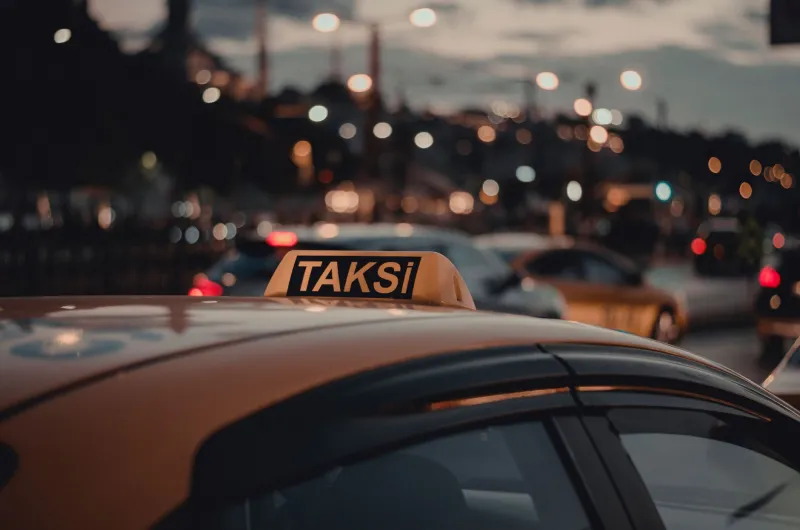
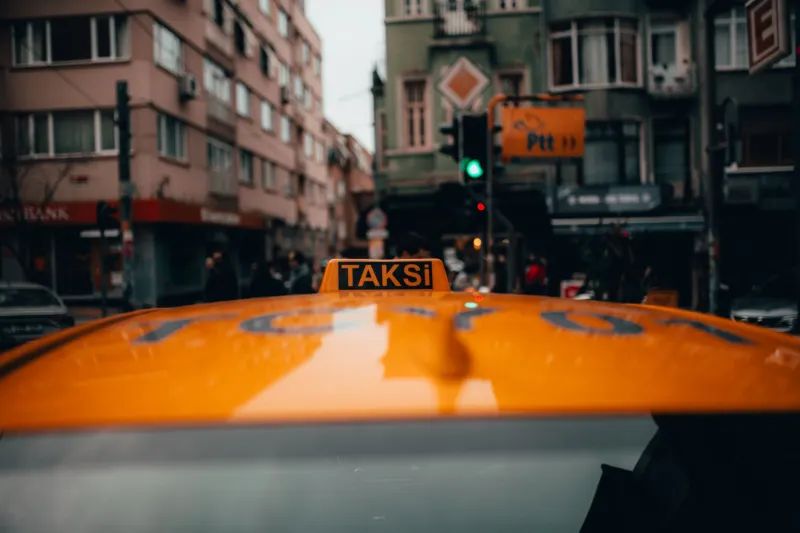
What you hear on the street is more granular and more damning. You hear a shopkeeper in Fatih explain, with genuine exhaustion rather than political anger, that she can no longer predict her costs from one week to the next. You hear a young teacher in Kadıköy describe the calculation she makes every morning about whether to say anything in class that could be reported. You hear a taxi driver — and yes, we're always coming back to the taxi driver — lay out in precise detail why he voted AKP in four consecutive elections and why he's not sure he can do it again.
This isn't opposition sentiment, exactly. It's something more corrosive: disillusionment among people who were true believers. The hardcore opposition in Istanbul's Beşiktaş or Şişli neighborhoods was never going to move Erdoğan's numbers much. It's the exhausted AKP voter in Bağcılar who is the real signal.
The Neighborhood as Political Laboratory
Turkish political culture has always had a strong neighborhood dimension that outside observers underestimate. The mahalle — the neighborhood — is a unit of social organization with real political meaning. Local imams, neighborhood association heads, small business owners, and community elders function as informal opinion leaders whose views ripple outward through social networks in ways that no poll can capture.
When those informal leaders start expressing doubt — not opposition, just doubt — it moves through a neighborhood faster than any campaign message. And right now, in neighborhoods that were once reliably AKP, that doubt is audible to anyone willing to sit still and listen.
American diplomatic culture, unfortunately, is not optimized for sitting still. Embassy social calendars tend toward think-tank events, business association dinners, and meetings with politicians and journalists who are already part of official networks. The kahvehane in Bağcılar is not on anyone's schedule. It should be.
What This Means for Anyone Trying to Understand Turkey
For Americans — whether you're a policy analyst, a journalist, a Turkish-American with family connections, or just someone who follows international news — the lesson here is about epistemic humility. The official story about Turkish politics, the one told through polling data and official statements and Western media summaries, is incomplete in ways that matter.
Erdoğan has survived longer than almost any analyst predicted because he has an extraordinarily sophisticated read on his own base — what they'll tolerate, what they fear, what they want to believe. He's read the street better than his opponents have. The opposition's challenge, and frankly the challenge for anyone trying to understand Turkey from the outside, is to develop that same street-level literacy.
That means trusting the barbershop conversation over the Metropoll number. It means understanding that the retired municipal worker playing okey in Bağcılar who says "he broke everything" is a more important data point than a percentage in a press release.
The Cab Driver Knew First. He Always Does.
There's a reason this platform centers the taxi driver as its emblematic figure. It's not nostalgia or romanticism. It's because the cab driver — moving through every neighborhood, hearing from every class, absorbing the city's political temperature in real time — is the closest thing Istanbul has to an unfiltered public opinion mechanism.
The cab driver knew the economy was broken before the central bank admitted it. He knew the opposition was gaining ground before the election results confirmed it. He knows things right now that won't show up in official data for months.
America's Turkey analysts would do well to ride in the back seat more often, put their briefing papers down, and just listen to what's coming from the front.
The meter's running. The conversation's free.